
Isabelle Gerretsen writes for the BBC:
At the start of the Odyssey, the epic poem’s war-weary protagonist finds himself trapped on a remote island by the goddess Calypso. She promises Odysseus immortality and eternal youth if he chooses to stay with her. But after 10 years of waging war against the Trojans alongside other Greek heroes, Odysseus longs to return to his family and home on the Greek island of Ithaca and “see even just the smoke that rises from his own homeland”, as Emily Wilson writes in her translation of Homer’s epic.
Odysseus’ perilous, decade-long journey home sees him trick a cyclops, outsmart a sorceress and survive countless disasters.
But Odysseus’ legacy doesn’t end there. There is one final, real-life twist in the adventures of this mythical king: Odysseus inspired a spiritual cult that lasted a thousand years. Evidence from archaeological excavations suggests worship of the Homeric hero began around the 9th Century BC, when his turbulent voyage was narrated in oral poems, and appears to have gained momentum after the Odyssey was written down in the late 8th Century BC.
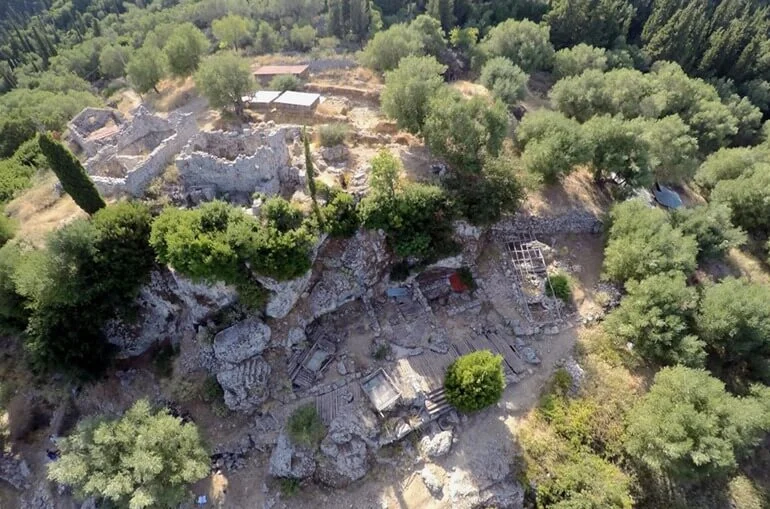
Historical remains of this hero cult include a sanctuary dedicated to Odysseus on Ithaca, as well as recently unearthed coins and tiles bearing his name.
The discoveries shine a light on the fascinating interplay between real people, fictional heroes, and spirituality in the ancient world – and hold wider lessons on hero worship during this era.