
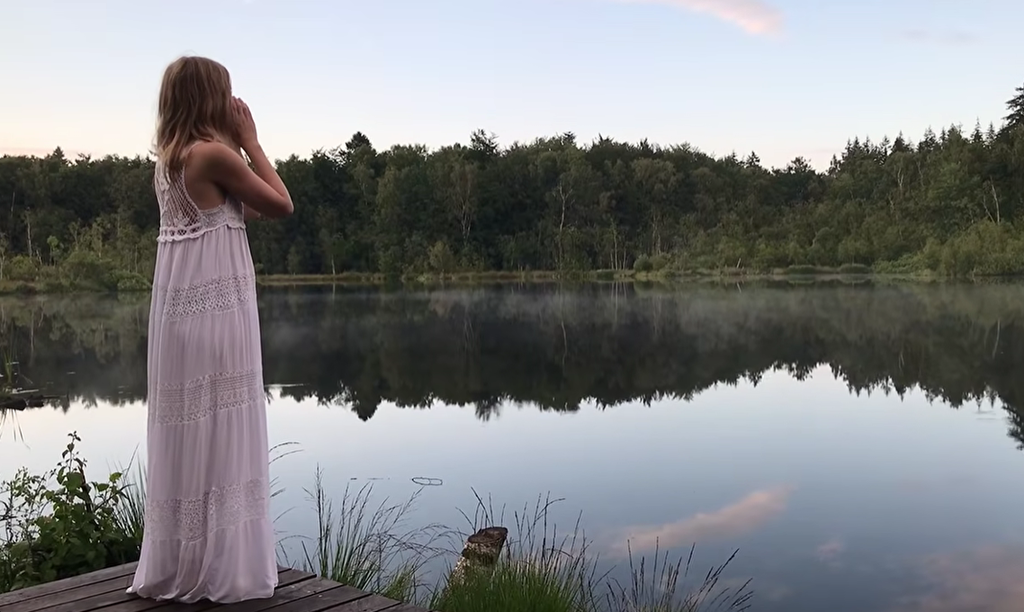
In the forests of Scandinavia, women once used a distinctive form of high-pitched singing to summon their livestock home. Known as kulning, these piercing melodies carried across valleys and mountain pastures. Today, as traditional herding declines, kulning is finding new practitioners and audiences; people sing into forests and across lakes simply and profoundly to experience the extraordinary sensation of sending their voices into the landscape.
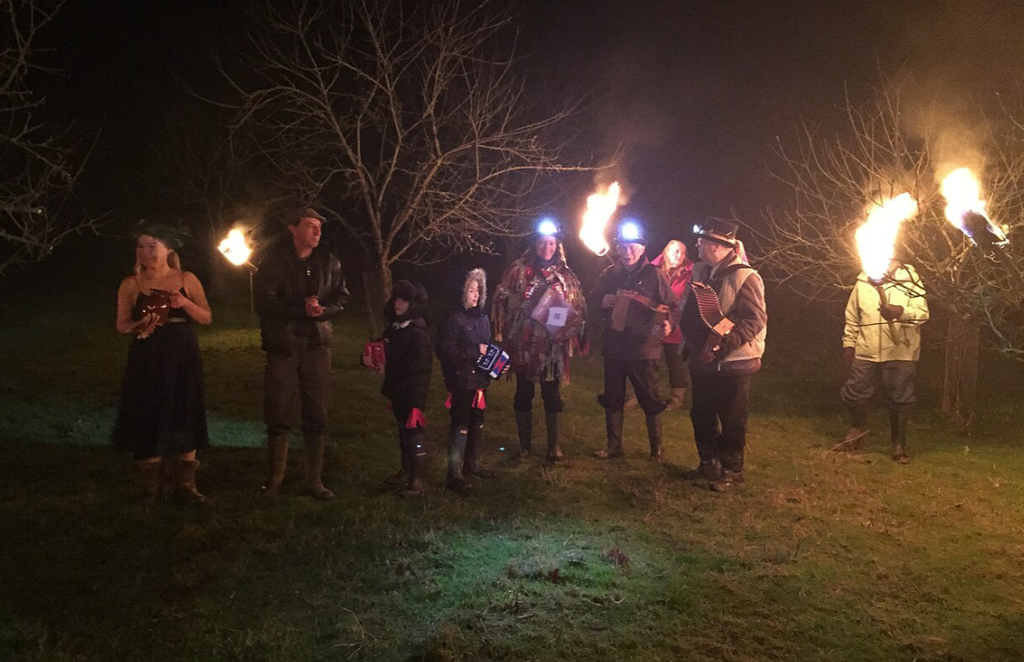
Something similar is happening to keening, the traditional Irish art of lamentation, now being revived in workshops and ceremonies devoted to grief, emotional release and personal transformation. Elsewhere, people gather to wassail apple orchards, greeting the trees with songs and offerings, though few participants depend on the harvest for their livelihoods. Traditional pilgrimage routes attract walkers who may have little interest, let alone devout belief, in the religions that established them. Ancient crafts such as weaving, woodcarving and herbalism are increasingly approached as contemplative disciplines, their repetitive motions and intimate engagement with natural materials valued as ends in themselves.
These practices differ enormously in origin and historical continuity, but collectively they suggest a fascinating cultural development: traditional skills and customs are being revived as aesthetic, contemplative and spiritual experiences.Their contemporary practitioners may preserve the outward forms while radically reinterpreting their significance; what was once work becomes meditation, necessity becomes ceremony and the ordinary becomes extraordinary.
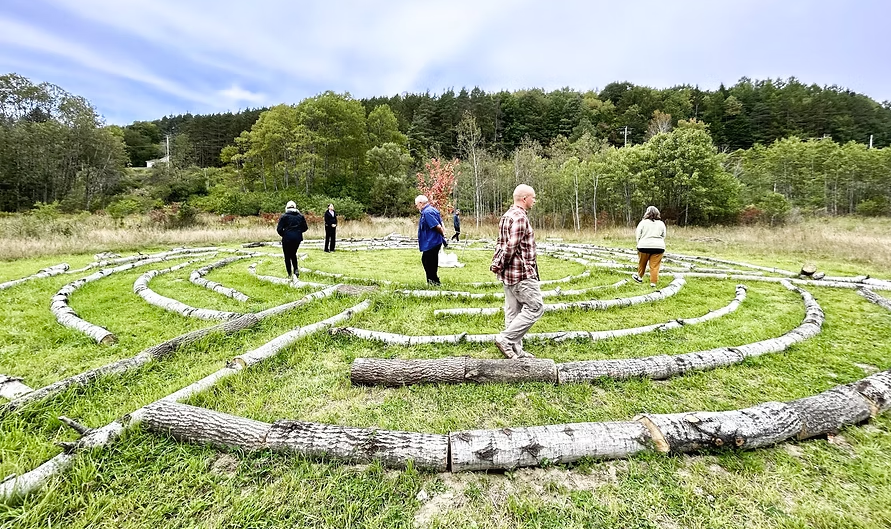
Folk revivals have long transformed utilitarian practices into cultural performances, expressions of identity and symbols of an idealised past. Today’s recontextualisations often go further, however, by investing traditional activities with personal spiritual significance, sometimes quite independently of their original spiritual or social circumstances.
The folklorist Leonard Norman Primiano’s concept of vernacular religion draws attention to spirituality as people actually practise and improvise it, rather than as institutions prescribe it. More recently, researchers Isabelle Kostecki and Géraldine Mossière have identified contemporary ritual bricoleurs and ritualist artists: people who assemble and invent ceremonies using inherited traditions, aesthetic intuition and whatever symbolic materials are available.
The oft-held distinction between artistry and spirituality becomes difficult to maintain in this territory. A handmade shrine may be an artwork, an act of remembrance and/or an expression of devotion. A traditional song may be performed as heritage, entertainment and/or invocation. Its meaning depends on the intentions and experiences of those involved.
There are complications. Romantic accounts of folk customs can obscure their historical realities, while the appropriation of living traditions risks reducing other people’s cultural heritage to a collection of attractive techniques. The international consumer marketplace for spirituality is particularly adept at turning once-ordinary, freely-available activities into expensive opportunities for personal transformation.
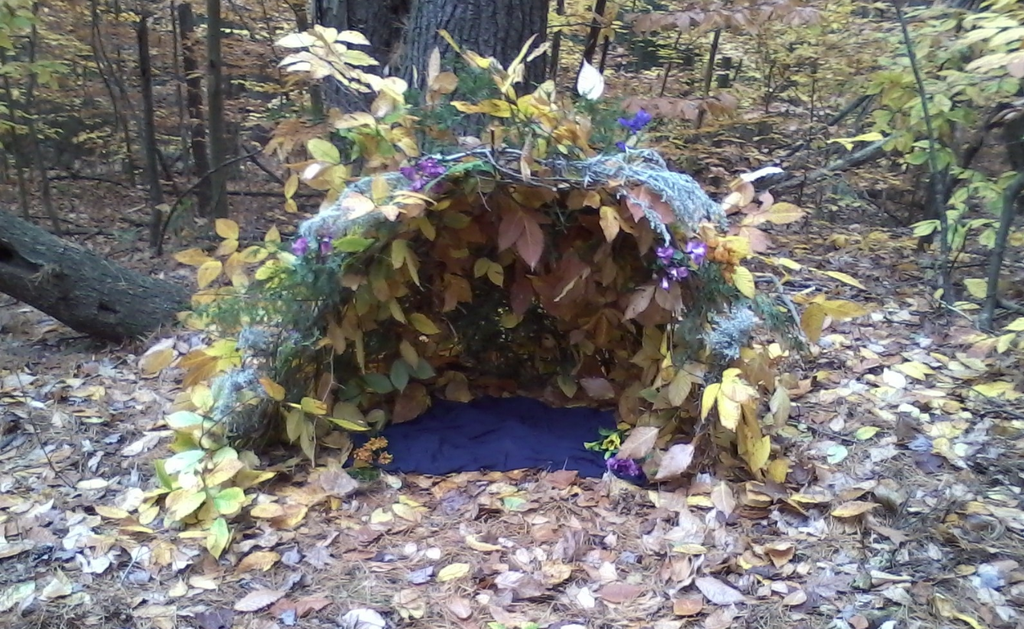
Yet reinterpreting traditional practices need not involve pretending that they possessed some forgotten, mystical purpose; their new meanings can be openly acknowledged as new creations.
In his 2026 book A Time to Gather, Bruce Feiler describes a broader renaissance of ritual invention, responding partly to loneliness and the erosion of traditional community life. Ecological movements, alternative spiritualities, participatory artists and traditional-skills enthusiasts are likewise discovering reasons to restore ceremony to everyday experience.
What connects these developments may be less a shared philosophy than an appetite for meaningful participation. People want to do things that matter, even – or especially – when their significance cannot be measured in practical outcomes, let alone as “productivity”. They want to engage their bodies and senses, mark the passing seasons, honour their dead and enter into more attentive relationships with the places they inhabit.
Perhaps the most interesting feature of these new folkways is that they reverse the conventional relationship between usefulness and meaning. Historically, many customs acquired symbolic significance through their place in everyday life. Today, activities whose practical purposes have diminished are being deliberately restored to everyday life because of their symbolic potential.
Tradition isn’t merely something inherited from the past, but something continuously made and remade. The old skills survive and transform, not necessarily because we still need the things they once produced, but because we discover new reasons to perform them.
Selected sources and further reading
Feiler, Bruce. A Time to Gather: How Ritual Created the World—and How It Can Save Us (2026). Penguin Press.
Primiano, Leonard Norman. Vernacular Religion and the Search for Method in Religious Folklife (1995). Western Folklore, 54(1), 37–56.
Kostecki, Isabelle and Géraldine Mossière. Bricoleurs de rites et artistes-ritualistes au Québec (2023). Studies in Religion / Sciences Religieuses.
Frost, Jacqui. Ritualizing Nonreligion: Cultivating Rational Rituals in Secular Spaces (2023). Social Forces.
Hobsbawm, Eric and Terence Ranger, eds. The Invention of Tradition (1983). Cambridge University Press.